
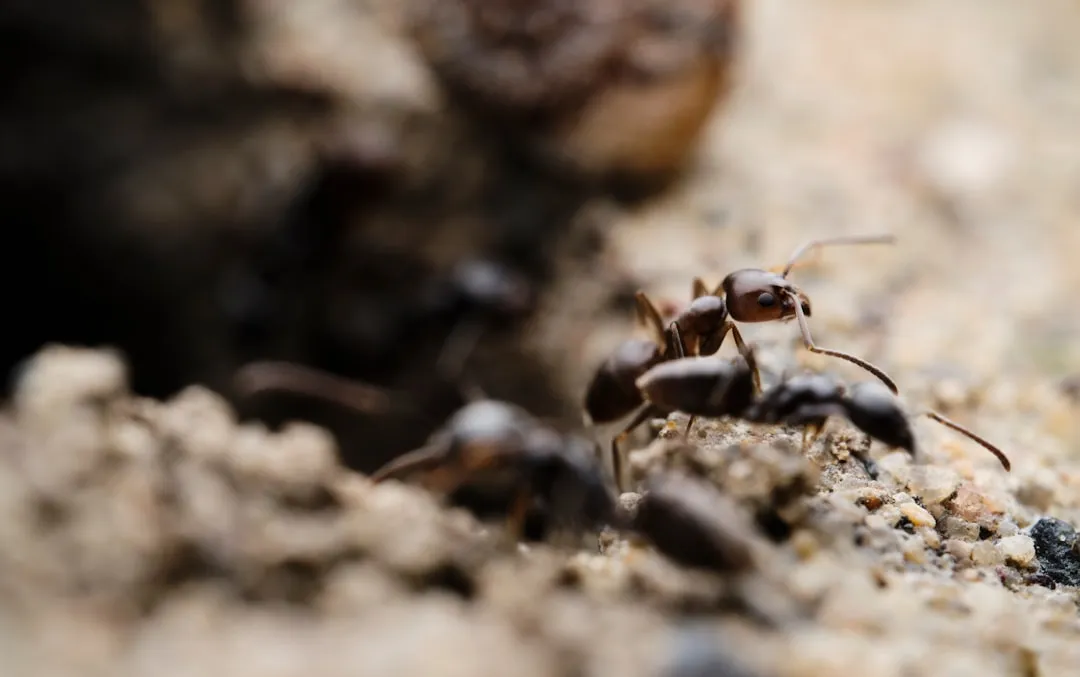
Why Carpenter Ant Control is Critical for Your Home
Carpenter ant control is crucial for homeowners because these pests can cause significant structural damage to homes. Unlike termites, carpenter ants do not eat wood but excavate it to create their nests, leading to weakened wooden structures. This can compromise the integrity of beams, floors, and walls, resulting in costly repairs if not addressed promptly.
Early detection and professional intervention are essential to prevent extensive damage and maintain the safety and value of your property. Effective carpenter ant control also protects against potential health risks. While carpenter ants are not known to transmit diseases, their presence can lead to unsanitary conditions as they forage for food, potentially contaminating kitchen areas and food supplies.
Carpenter Ants: A Common Pest in Centerburg
Carpenter ants are a common pest that can cause significant damage to wooden structures. These ants are larger than most other ant species, typically ranging from 1/4 to 1/2 inch in length. They are usually black, but some species can be red or a combination of red and black. Unlike termites, carpenter ants do not eat wood. Instead, they excavate it to create nests, which can compromise the structural integrity of buildings over time.
Identifying Carpenter Ants
We understand the importance of identifying carpenter ants early to prevent extensive damage. These ants are most active during the spring and summer months. You might notice them foraging for food, which includes sweets, meats, and other insects.
- Small piles of sawdust (frass) near nests
- Large ants (1/4 to 1/2 inch long)
- Black or red/black coloration
- Nocturnal activity (active at night)
- Foraging in kitchen for sweets/meats
- Bent antennae (unlike termites' straight ones)
Our Treatment Process
At Caudill Pest Control, we deliver comprehensive carpenter ant control services tailored to protect your home. Our process begins with a thorough inspection to identify the source and extent of the infestation. We then develop a customized treatment plan that targets the ants while ensuring the safety of your family and pets.
Inspection and Nest Location
Our team is skilled in identifying the signs of carpenter ant infestations. We conduct thorough inspections to locate nests, which can be inside or outside your home. Carpenter ants often nest in moist or decaying wood, so we pay special attention to areas like window sills, door frames, and roof eaves. We also inspect outdoor areas such as tree stumps, firewood piles, and wooden structures.
Control Strategy
Once we identify a carpenter ant infestation, we implement a comprehensive control strategy. Our approach includes both non-chemical and chemical methods to ensure effective eradication. We use baiting systems that attract ants and allow them to carry insecticide back to the nest, effectively eliminating the colony. We also apply residual insecticides to areas where ants are active, providing long-term protection.
Prevention Tips
We emphasize the importance of prevention. We advise our clients to eliminate sources of moisture by repairing leaks and ensuring proper ventilation. Removing decaying wood and trimming tree branches that touch the house can also help prevent infestations. We recommend storing firewood away from the home and keeping it elevated off the ground.